Newsletter

September 23, 2026
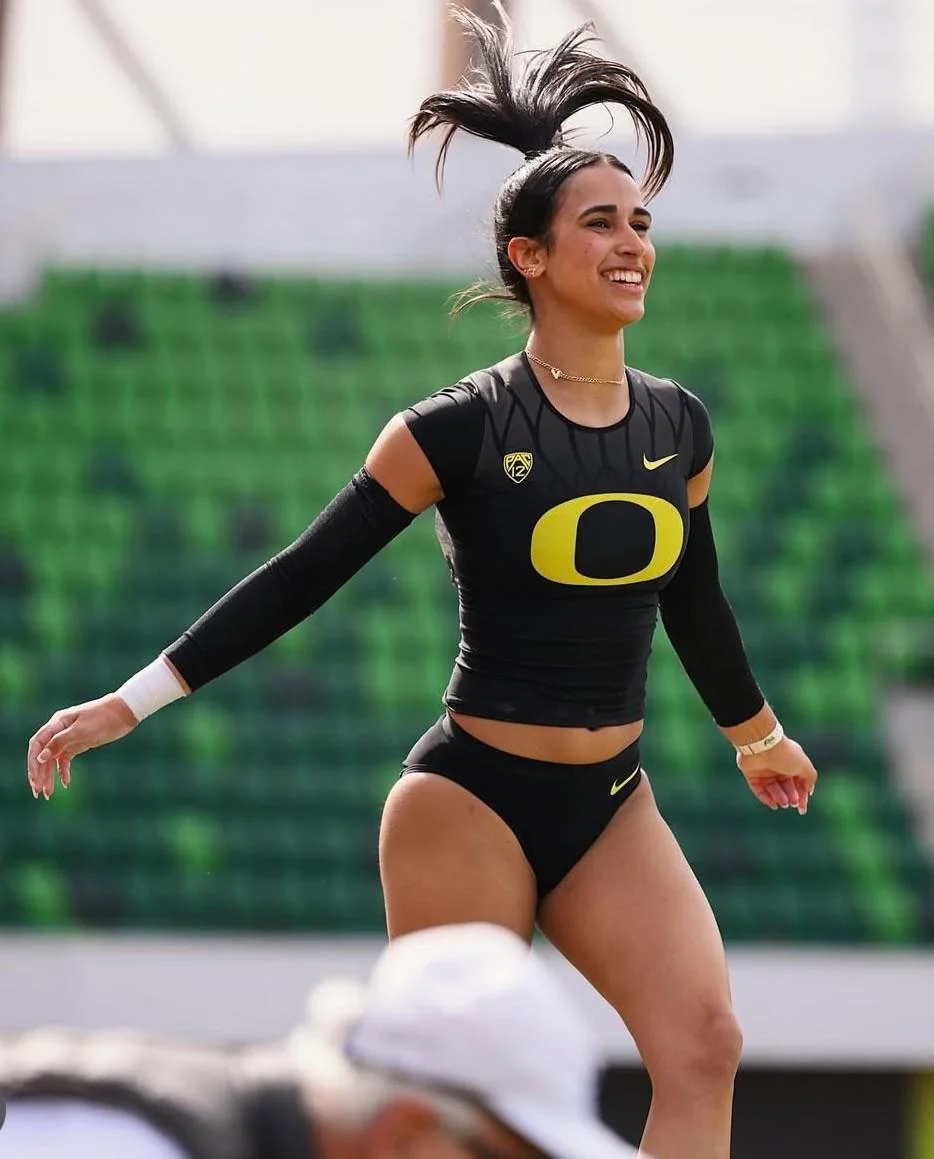
I’m 22, in my fifth year of college athletics, and beginning the second year of my MBA. The pursuit of a master’s degree offered the perfect opportunity to postpone my entrance into the dreaded “real world” that I have been incessantly warned about. I’ve watched older peers graduate from college, seemingly full of potential, struggling to break into industries they have spent their entire educational careers preparing to enter. I am not being hyperbolic when I share that most have applied to hundreds of jobs with little to show for it.
With it being my last year of school, it has become abundantly clear that I need to make the postgrad search a priority. Probably yesterday. “Please Employ Me” titles the spreadsheet I use to track the status of my job applications. This week alone, I’ve applied for nine jobs, received four rejections, and have yet to hear back from the others. Despite the poor early showing, I remain hopeful.
I vacillate between attributing that hope to my optimistic nature and to personal naivety. I know that having MBA, college-athlete, early graduation, and summer internships written on my resume are helpful, but is that really enough to compensate for my significant lack of experience and professional network?
Hearing the same uncertainty from people with completely different résumés has made it increasingly difficult to figure out what exactly I am supposed to fix about mine. Someone might have work experience but feel like they’re missing the right degree, connections, or something else entirely. The consensus among my peers is that entering the workforce is intimidating for a multitude of reasons, both self-imposed and circumstantial.
The variables outside of my control are what cause me the most worry. As I watch the pendulum swing on DEI, I have to wonder whether my racial identity could once again become a liability in the hiring process. There are two main developments that make me pose the question: an increased tolerance of prejudiced attitudes from some of our nation's most influential leaders and the heavy involvement of AI hiring systems that produce racial disparities. With 90% of employers using AI to screen applicants, the possibility that racial bias could influence whether my own application reaches human eyes is deeply unsettling.
Knowing that AI could influence whether my résumé was even worthy of human consideration completely changed the way I approached writing it. I utilized Claude and an AI hiring screener and see what an algorithm considered my strengths and weaknesses, as well as why it would or would not recommend me for jobs I was planning to apply to. It felt strange trying to appeal to an algorithm rather than a human. I’ve essentially gone from being warned not to use AI to needing to prove that I know how, and I can’t help but feel like the message is: get with it or get left behind.
I’m entering the workforce with the help of mentors who were hired in a very different job market and a lot of educated guesses about what will give me the best chance today. The unsettling part is that I’m not sure anyone really knows what the rules are anymore. I can improve my résumé, learn how to use AI, build my network, and collect more experience, but the target seems to keep moving. What does an entry-level employee need to offer when technology can already do so much of what entry-level employees have traditionally been hired to do?
With a lot of time between now and May, I remain optimistic. I’ll continue to seek out experience, increase my aptitude with AI tools, and add more rows to the “Please Employ Me” spreadsheet. In time, one of them will turn green.
Raise Your Voice
Are you a young creator between the ages of 18 and 26? Are you looking for a new way to display your talent? If you want more people / brands / corporations to see the world through your lens, reach out.